
educate
Fire Stopping Survey Checklist: What QS Teams Need to Know
Complete fire stopping survey checklist for quantity surveyors. Scope, evidence requirements, cost controls, and audit-ready documentation. No budget surprises.
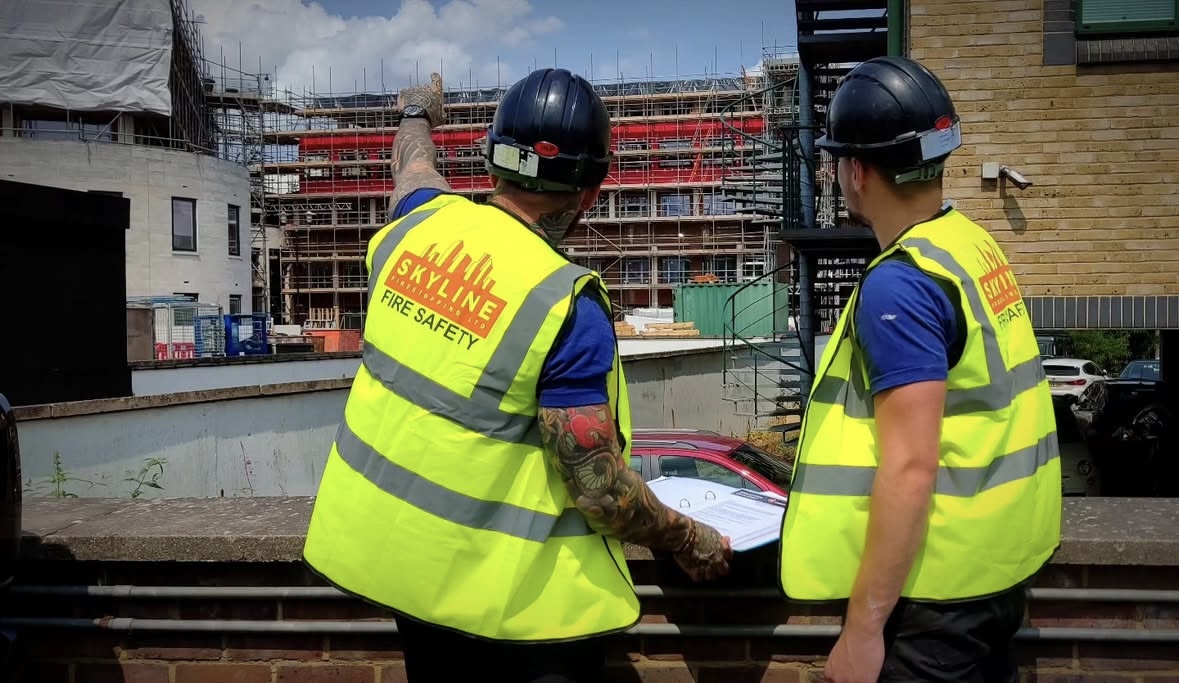
What a Fire Stopping Survey Actually Delivers
A fire stopping survey, often called a compartmentation survey, establishes the current condition of a building's fire compartmentation. It identifies every breach in fire-rated walls, floors and risers, photographs each one, and maps their locations floor by floor.
For quantity surveyors managing budgets and compliance timelines, the survey output determines whether you are pricing a maintenance programme or a major remediation scheme. The difference between those two outcomes can be hundreds of thousands of pounds and months of programme time.
This checklist covers what to specify, what to verify, and what to watch for when commissioning or reviewing a fire compartmentation survey.
Pre-Survey: Scope Definition Checklist
Scope creep is the single biggest source of budget variance on compartmentation surveys. Lock these items down before work begins.
Building Information Required
- Total floor area and number of storeys
- Building use classification and whether it meets the higher-risk building threshold (18 metres or 7 storeys, whichever is reached first, with at least 2 residential units)
- Existing fire strategy document and compartmentation drawings
- Previous Fire Risk Assessment reports and any outstanding actions
- Access constraints: occupied floors, live services, restricted areas
- Available records of original firestopping installations
Scope Boundaries to Confirm
- Which compartment lines are included (all, or specific floors/risers only)?
- Are service risers and horizontal service routes both in scope?
- Does the survey include cavity barriers above ceilings and within voids?
- Is intrusive investigation required where records do not exist?
- What is the reporting format: summary only, or full breach schedule with remediation specifications?
A fixed-price survey with clear scope boundaries protects your budget. Where records do not exist, an intrusive survey establishes the current position, but the scope of intrusion must be agreed before work starts.
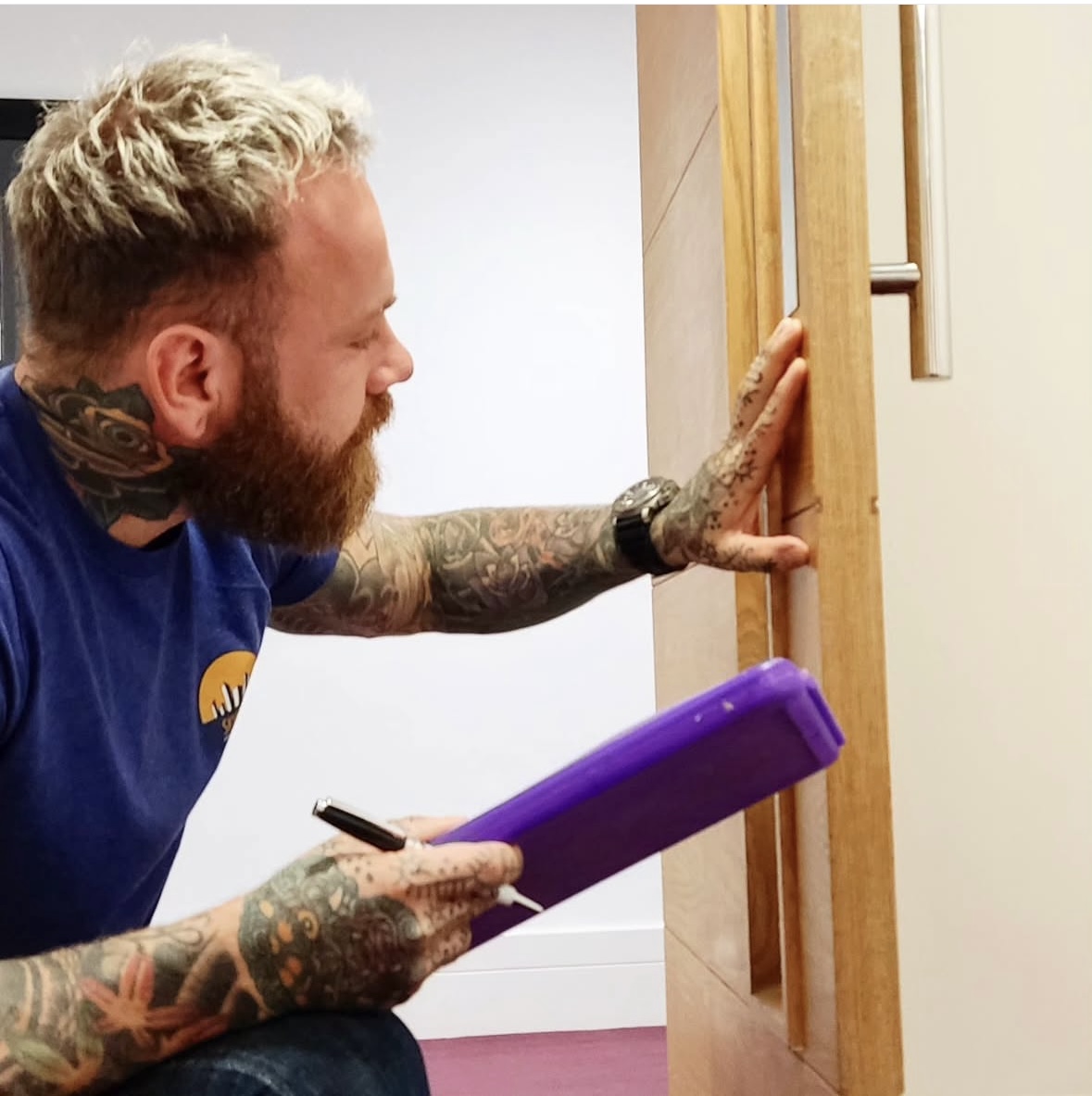
During Survey: Evidence Quality Checklist
The value of a compartmentation survey lies in its evidence. A report that cannot withstand scrutiny from building control, the Building Safety Regulator, or insurers creates more problems than it solves.
Photographic Documentation Standards
Every identified breach should be:
- Photographed with sufficient resolution to identify the penetration type
- Captured with a location reference visible in frame or tagged to a floor plan
- Dated and time-stamped
- Stored in a format that supports golden thread requirements
Location Recording Requirements
| Element | Minimum Standard | Best Practice |
|---------|------------------|---------------|
| Floor identification | Floor number | Floor number + grid reference |
| Compartment line | Wall/floor reference | Drawing reference + chainage |
| Penetration type | Service category | Service type + size |
| Condition | Pass/fail | Condition grade + failure mode |
| Remediation | Required/not required | Specification + priority |
What the Surveyor Should Verify
- Fire-rated walls and floors match the fire strategy drawings
- Penetrations through compartment lines are sealed with tested systems
- Seals are intact, undamaged, and show no signs of degradation
- Cavity barriers are present and correctly positioned
- Service installations post-construction have not compromised compartmentation
Post-Survey: Report Quality Checklist
The survey report becomes your evidence base for remediation pricing, programme planning, and compliance demonstration. Check these elements before accepting the deliverable.
Report Contents
- Executive summary with total breach count and priority breakdown
- Floor-by-floor breach schedule with unique reference numbers
- Photographic evidence linked to each breach record
- Compartmentation drawings marked with breach locations
- Remediation specifications for each failure type
- Cost estimate ranges for remediation works (if in scope)
Evidence Chain Integrity
For buildings subject to the Building Safety Act, survey evidence feeds into the golden thread. Verify that:
- All photographs are traceable to specific breach records
- The report format supports digital handover to the Accountable Person
- Records can be retained for the required 15-year period
- The evidence would survive an RFI or compliance notice
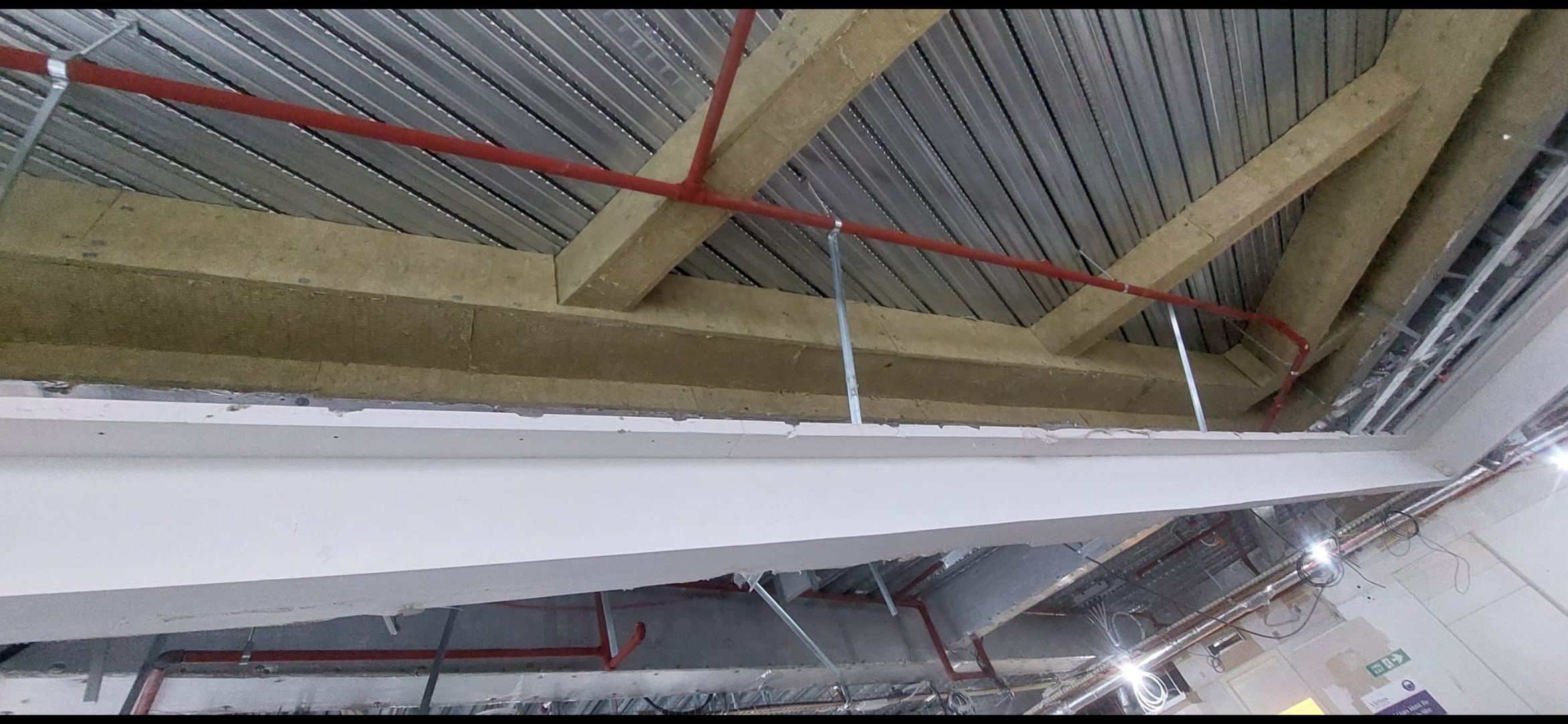
Common Survey Pitfalls for QS Teams
These issues surface repeatedly on compartmentation survey projects. Anticipate them in your procurement and review processes.
Scope Gaps That Create Budget Surprises
- Surveys that exclude service risers, where the majority of breaches typically occur
- Reports that identify breaches but do not specify remediation, requiring a second engagement
- Intrusive investigation excluded from scope, leaving unknown conditions unpriced
- Cavity barriers omitted from the survey scope entirely
Evidence Quality Issues
- Photographs without location references, making remediation pricing impossible
- Summary reports without individual breach records
- No distinction between minor defects and critical compartmentation failures
- Reports that do not align with the building's fire strategy drawings
Contractor Qualification Red Flags
- No third-party certification for survey methodology
- Surveyors without demonstrable passive fire protection expertise
- Reports that recommend products rather than tested system specifications
- No clear chain of custody for evidence and records
Remediation Planning: What the Survey Should Enable
A properly executed fire stopping survey gives you everything needed to price and programme remedial firestopping works without returning to site for additional investigation.
Budget Planning Outputs
- Breach count by type and complexity
- Access requirements for each remediation location
- Specification of tested systems required
- Priority sequencing based on risk and programme constraints
Programme Integration
- Remediation works sequenced to avoid clashes with other trades
- Access and isolation requirements identified in advance
- Evidence capture requirements for remediated breaches
- Handover documentation format agreed before works commence
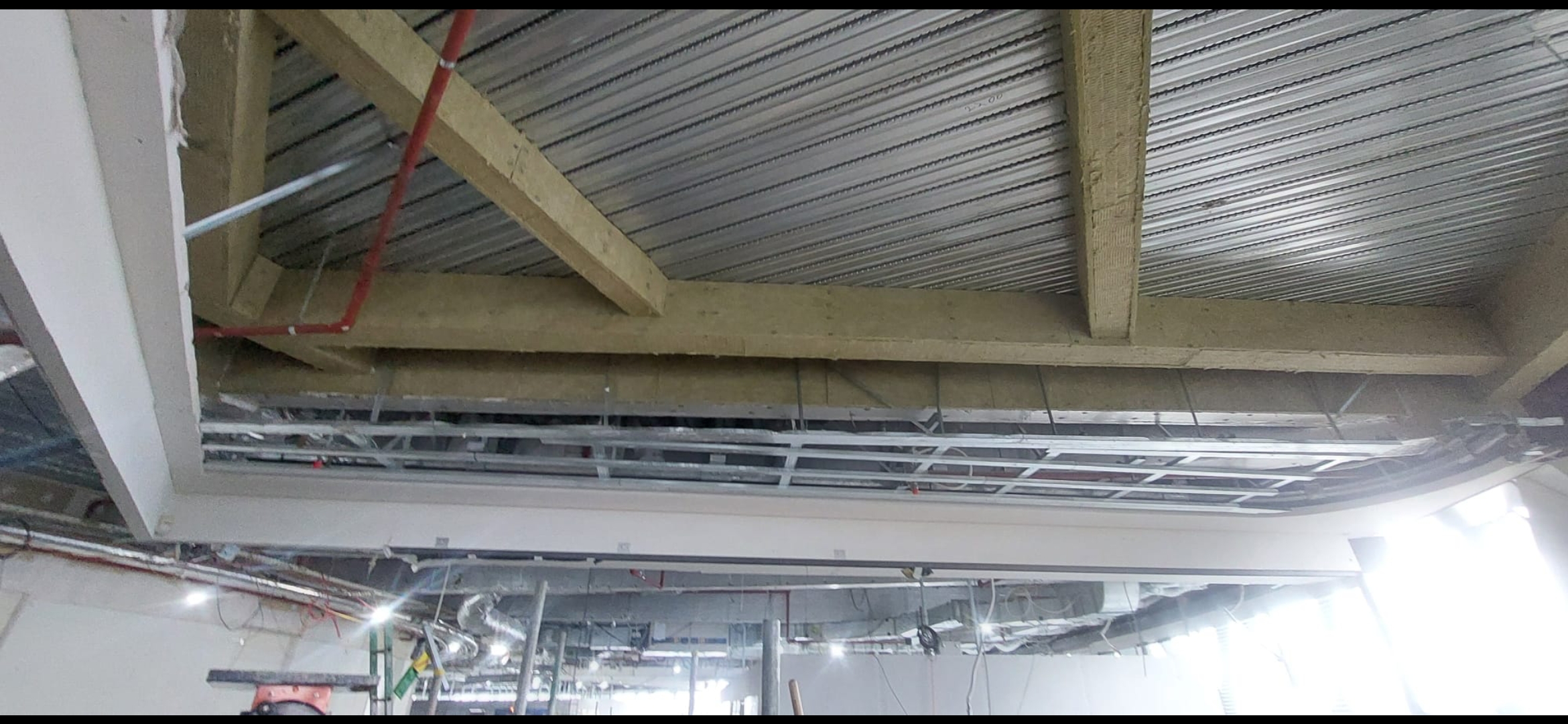
Surveyor Selection Criteria
The surveyor's qualifications determine whether your evidence will hold up under scrutiny. Verify these credentials before appointment.
Minimum Requirements
- Third-party certification for passive fire protection survey work
- Demonstrable experience with the building type and construction method
- Clear methodology for evidence capture and reporting
- Professional indemnity insurance appropriate to the project value
Questions to Ask
- What certification does your survey methodology hold?
- How do you handle areas where intrusive investigation is required?
- What format will the evidence be delivered in, and does it support golden thread requirements?
- How long will you retain the survey records?
For higher-risk buildings, working with a BM TRADA Q-Mark certified contractor ensures the survey methodology meets third-party verified standards.
FAQ
What is the difference between a compartmentation survey and a Fire Risk Assessment?
A Fire Risk Assessment evaluates overall fire safety management, including means of escape, detection, and management procedures. A compartmentation survey focuses specifically on the physical integrity of fire-rated walls, floors, and the seals around penetrations. The FRA may identify compartmentation concerns; the survey establishes the detailed condition.
How long does a fire stopping survey take?
Timescales depend on building size, complexity, and access. A straightforward residential block might take 2-3 days of on-site survey work. Complex buildings with multiple service risers and restricted access can require several weeks. Allow additional time for report production and quality assurance.
What does a fire compartmentation survey cost?
Costs vary significantly based on scope. Fixed-price surveys with agreed scope boundaries protect against budget creep. For buildings where records do not exist and intrusive investigation is required, expect higher costs but also more reliable outputs for remediation pricing.
Do I need a survey before remedial firestopping works?
For anything beyond minor, isolated repairs, yes. Without a survey establishing the full scope of breaches, remediation pricing is guesswork and programme risk is uncontrolled. The survey cost is typically recovered many times over in avoided variations and programme delays.
How does the survey support Building Safety Act compliance?
For higher-risk buildings, compartmentation evidence forms part of the golden thread that must be maintained throughout the building's life. A properly documented survey creates the baseline record, and remediation evidence builds on it. This documentation is assessed at Gateway 3 and must be handed to the Accountable Person at completion.
Frequently asked questions
What is the difference between a compartmentation survey and a Fire Risk Assessment?
A Fire Risk Assessment evaluates overall fire safety management. A compartmentation survey focuses specifically on the physical integrity of fire-rated walls, floors, and penetration seals. The FRA may identify concerns; the survey establishes detailed condition.
How long does a fire stopping survey take?
Timescales depend on building size and access. A straightforward residential block might take 2-3 days on site. Complex buildings with multiple risers and restricted access can require several weeks, plus report production time.
What does a fire compartmentation survey cost?
Costs vary based on scope. Fixed-price surveys with agreed boundaries protect against budget creep. Where intrusive investigation is required, expect higher costs but more reliable outputs for remediation pricing.
Do I need a survey before remedial firestopping works?
For anything beyond minor repairs, yes. Without a survey establishing full breach scope, remediation pricing is guesswork. Survey cost is typically recovered in avoided variations and programme delays.
How does the survey support Building Safety Act compliance?
For higher-risk buildings, compartmentation evidence forms part of the golden thread. A documented survey creates the baseline record, remediation evidence builds on it, and this is assessed at Gateway 3.